Parametricism is a movement propelled by a tsunami that I am trying to swim against; The swell of the machine, the computer. I have grown to be more concerned with the hand-made, craft and idiosyncratic design – something with a human finger print, vernacular, folkish, soul, something ‘’imperfect’’; and at a glance Parametricism seems to be the antithesis of my search for humanity in design. Parametricism causes architecture to flow in a direction many of us are fighting against.
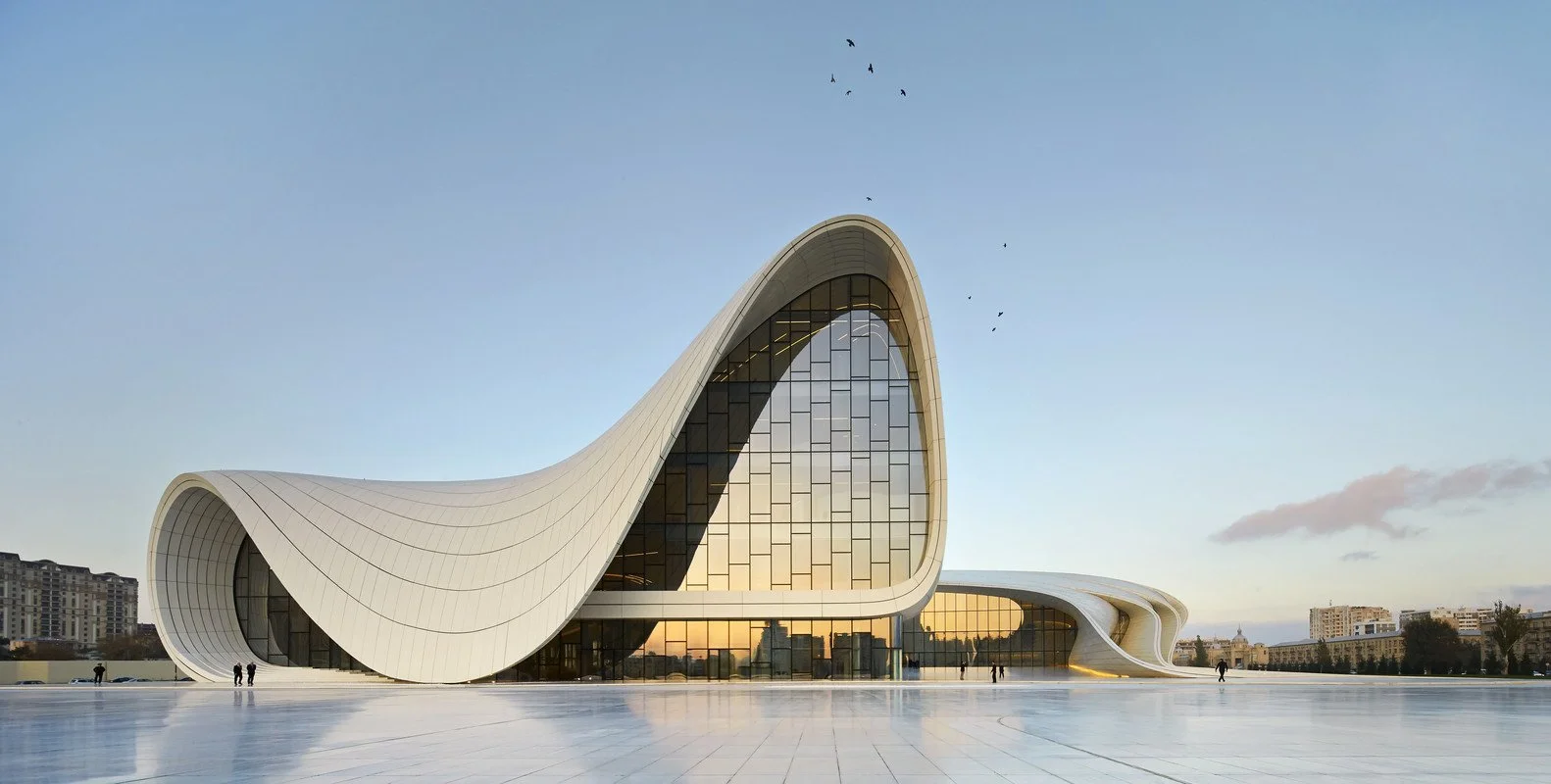
Heydar Aliyev Center / Zaha Hadid Architects
So what is Parametricism
Well, it is a 21st-century architectural style and theoretical position. Parametricism is in response to and in conversation with the digitisation of design, namely architecture and algorithm. The word Parametric refers to parameters. Like Futurusum, Parametricism has a manifesto which outlined its parameters aka its dogmas.
Written in Venice in 2008 the term was coined by Patrik Schumacher, now principal of Zaha Hadid Architects. Schumacher proclaimed Parametricism is "the great new style after modernism".
At a glance, Parametric buildings are organic in shape, amorphic – there's little distinction between where a roof begins and where a wall ends. Sweeping lines; there something deeply natural, they feel human in a futuristic way. Alluring and seductive curvature – with an allergy to anything rectilinear. When I look at these structures my dread dissolves, they’re pleasing and hopeful. And as a fan of the late great Zaha Hadid, knowing that she was the mother of this movement, my dread is put on ice.
Within the Parametricism manifesto, a few of its aims/dogmas pique my hope, pushing my foreboding to the margin. Sameness and repetition is rejected favoured by adaptive variation; and as a fan of vernacular material and architecture this also freezes my fear that this movement would result in homogony in materiality and design globally.
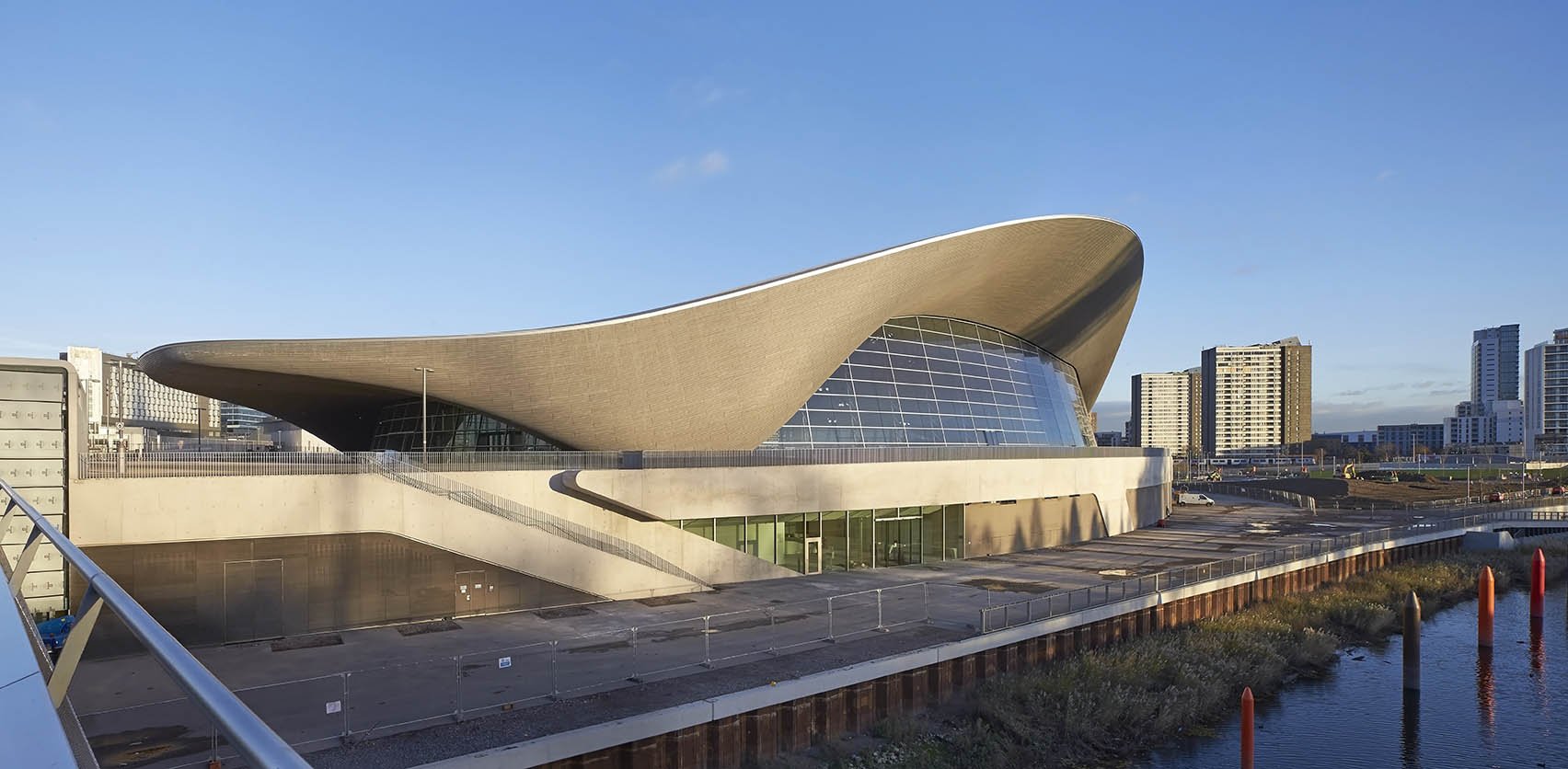
London Aquatics Centre - Zaha Hadid Architects
How does the process of designing with Parametricism differ from traditional architectural practices?
Traditionally an architect would draw their design, then the design would go through several processes and land on several desks to check its viability (engineer, a quantity surveyor, maquet, modeling (handmade and CAD) IES or EnergyPlus checks). A process involving many humans, with many skills and potentially taking many weeks, costing loads of money.
In a parametric practice, the architect writes a set of ‘’rules’’ describing how the building should respond to its conditions, and the computer draws it for them. The design and the testing happens simultaneously. Changing one element automatically ripples through the entire model; it's super efficient. The correction loop moves from weeks to seconds.
In the era of the global housing crisis,the optimist in me has a sense of hope that these efficiencies in architectural design, paired with sustainable building practices and materials (namely Mass Timber (CLT and glulam)) could mean more housing being built more quickly and cheaply. With that said it would be an understatement to say that the issue is solely due to efficiency and access to materials.
In a recent interview with Dezeen, Schumacher bemoaned that he is not happy with the speed in which Parametricism was being adopted, also noting "They (universities) withdrew and went into this woke kind of territory – anti-capitalism, anti-design, anti-star architecture."
Schumacher’s insights are eye-opening. But I can gleam hope from his comment as it seems that, at least for now, Universities still value craft and all that it has taken, historically, to become an architect; humanity, artistry, the ability to solve problems through putting pen to paper/balsa wood to glue. And I cannot help but wonder if Universities saw the convergence of Futurism and Parametricism, as I do. Two avant-gardes, a century apart; one manifesto for the machine age, one for the digital age and some very pro-machine, pro-capital ideologies.
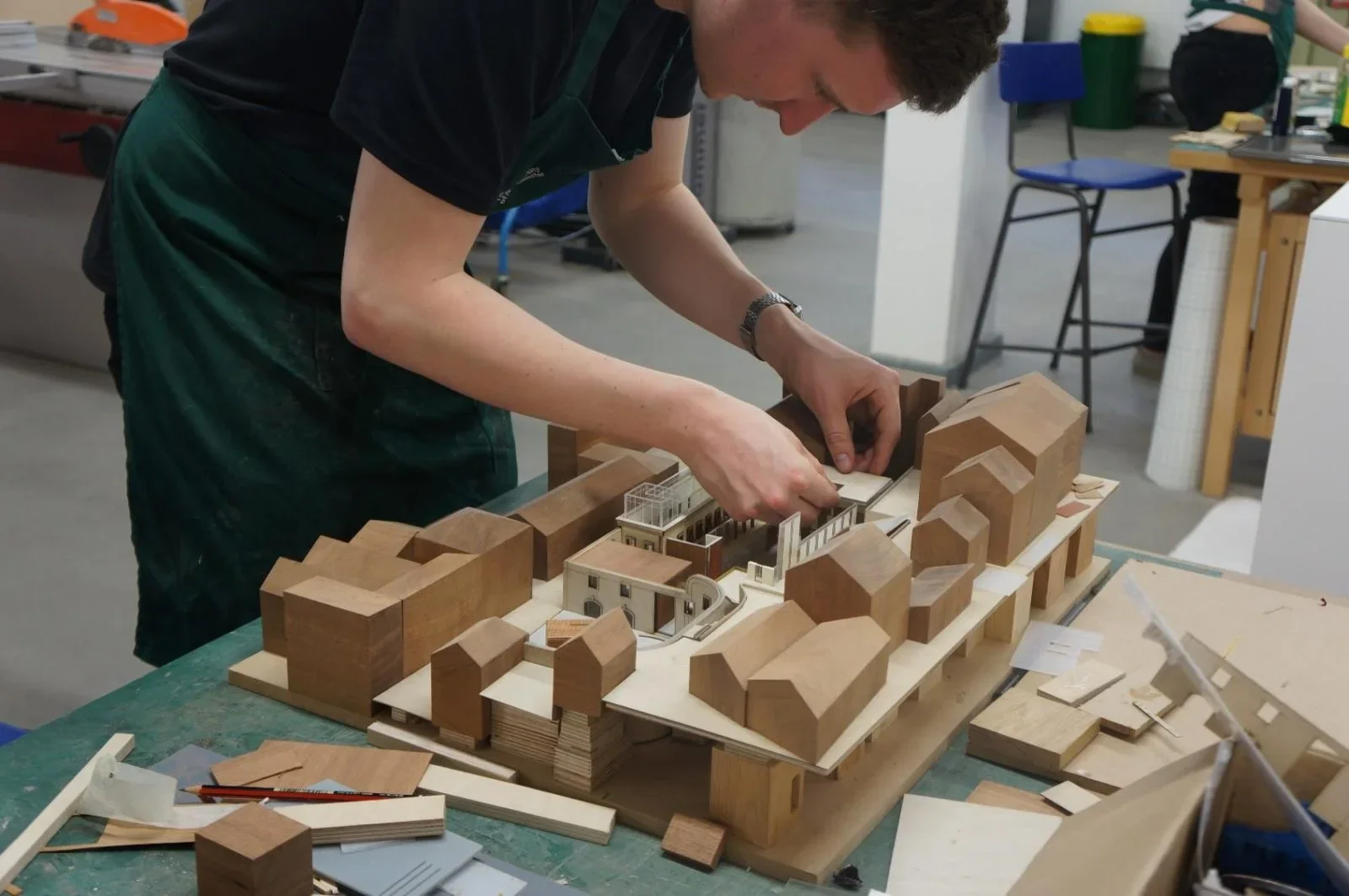
Although like most things, in itself Parametricism is a neutral ‘’thing’’, and only its application and impact will prove it to be good, or bad. Hopefully the advances will trickle down to benefit the masses. Hopefully architects don't just become programmers who can't draw and only think in algorithms. And hopefully the world doesn't end up with one dominant architectural aesthetic designed by robots.
I still have a feeling in the pit of my stomach about Parametricism. Potentially this is more about me resisting change – you can't fight progress, I guess. And the fact I am an architectural hobbyist, and ignorant. But for me the dread serves as a reminder to remain curious and that fear of the new, or different, is mostly due to ignorance… which is a pretty woke of me, I guess.